




The Future of Digital Marketing Agencies
Digital marketing agencies have evolved significantly over the past decade, driven by rapid technological advancements and changing consumer behavior. As we look toward the future, several trends and innovations are set to shape the landscape of digital marketing agencies, transforming how they operate and deliver value to their clients.
Rise of Artificial Intelligence and Machine Learning
Artificial Intelligence (AI) and Machine Learning (ML) are revolutionizing the digital marketing industry. These technologies enable digital marketing agencies to analyze vast amounts of data, predict consumer behavior, and personalize marketing efforts with unprecedented accuracy. AI-powered tools can automate repetitive tasks, such as email marketing campaigns and social media posts, allowing agencies to focus on strategic planning and creative work. Moreover, chatbots and virtual assistants, driven by AI, are enhancing customer service and engagement, offering real-time responses and personalized experiences.
-
Enhanced Data Analytics and Consumer Insights
The future of digital marketing agencies lies in their ability to harness and interpret data. With the proliferation of data from various sources, agencies can gain deeper insights into consumer behavior, preferences, and trends. Advanced data analytics tools allow agencies to track and measure the effectiveness of their campaigns in real-time, enabling agile adjustments and better optimization. This data-driven approach ensures that marketing strategies align with consumer needs and produce stronger results.
-
Personalization and Hyper-Targeting
Consumers today expect personalized experiences. Digital marketing agencies are increasingly leveraging data to create hyper-targeted campaigns that resonate with specific audiences. Personalization goes beyond just addressing customers by name; it includes delivering relevant content, product recommendations, and offers based on individual preferences and behaviors. By utilizing AI and ML, agencies can segment audiences more accurately and tailor messaging to meet the unique needs of each group, improving customer satisfaction and loyalty.
-
Integration of Augmented Reality and Virtual Reality
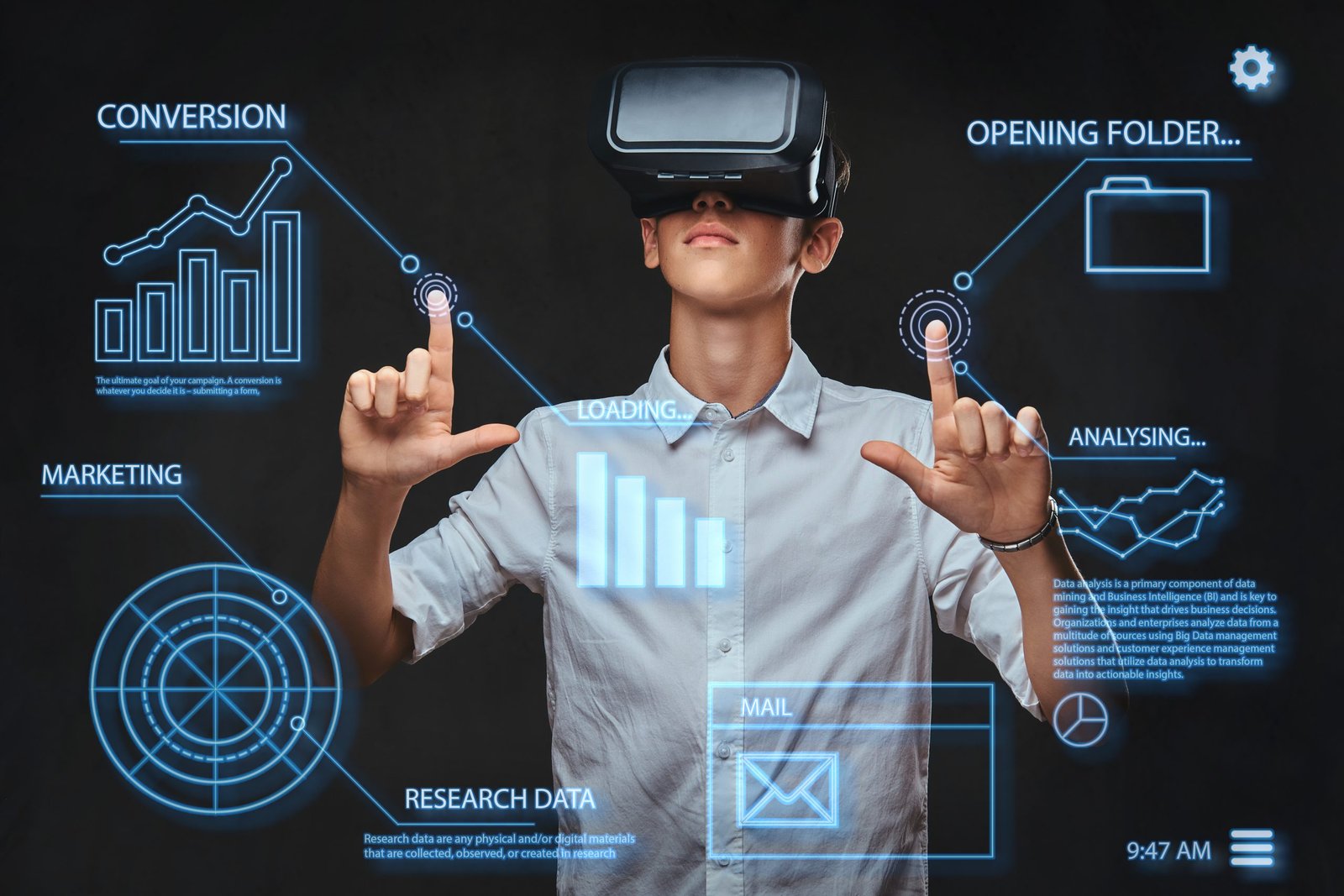
Augmented Reality (AR) and Virtual Reality (VR) are poised to play a significant role in the future of digital marketing. These immersive technologies offer new ways for brands to connect with their audiences. Digital marketing agencies are using AR and VR to create interactive experiences, such as virtual try-ons, product demos, and immersive storytelling. These tools not only captivate users but also provide valuable data on user interaction, allowing for further strategy refinement.
-
The Dominance of Video Content
Video content continues to dominate digital marketing and is expected to grow even more in the future. Platforms like YouTube, TikTok, and Instagram Reels have made video a daily part of consumers’ lives. Digital marketing agencies are focusing on compelling video content that grabs attention and boosts engagement. Live streaming, in particular, is becoming more popular as it helps brands build real-time connections with their audience, increasing authenticity and immediacy. With tech advancements, more innovative video formats and interactive elements are on the horizon.
-
Emphasis on Sustainability and Social Responsibility
Modern consumers are more conscious of environmental and social issues, and they expect brands to align with these values. Digital marketing agencies are integrating sustainability and social responsibility into their strategies, helping brands communicate their commitment to these causes. This includes promoting eco-friendly products, ethical practices, and community initiatives. Aligning with consumers’ values helps build deeper emotional connections and fosters brand loyalty.
-
Evolving Role of Influencer Marketing
Influencer marketing is now a central part of many digital marketing strategies, and it continues to evolve. Digital marketing agencies are applying a data-driven approach to influencer marketing, using analytics to find the right influencers and evaluate campaign success. Micro-influencers, with smaller but more engaged audiences, are gaining traction for their authenticity. Agencies are also shifting towards long-term influencer partnerships rather than one-time deals, building sustained brand advocacy.
-
The Rise of Voice Search and Smart Assistants
The growing use of voice search and smart assistants, like Alexa and Google Assistant, is changing how consumers interact with content and brands. Digital marketing agencies must now optimize content for voice search, using conversational keywords and natural language. Voice-activated devices also open up new possibilities for voice-based marketing and personalized brand experiences.
-
Adoption of Blockchain Technology
Blockchain technology is set to influence digital marketing by enhancing trust, transparency, and security. Digital marketing agencies can use blockchain to reduce ad fraud by verifying ad impressions and clicks. It also supports more secure transactions, such as smart contracts in influencer and affiliate marketing. As privacy concerns grow, blockchain can provide consumers with more control over their data through decentralized systems.
Conclusion
The future of digital marketing agencies is full of potential, marked by innovation, personalization, and advanced technology. Agencies that adapt quickly to changing trends and embrace tools like AI, data analytics, AR/VR, and blockchain will continue to deliver outstanding results for their clients. Remaining agile and forward-thinking will be key to thriving in this ever-evolving digital landscape.