




The Untold Stories of Women Leaders in Local Governments
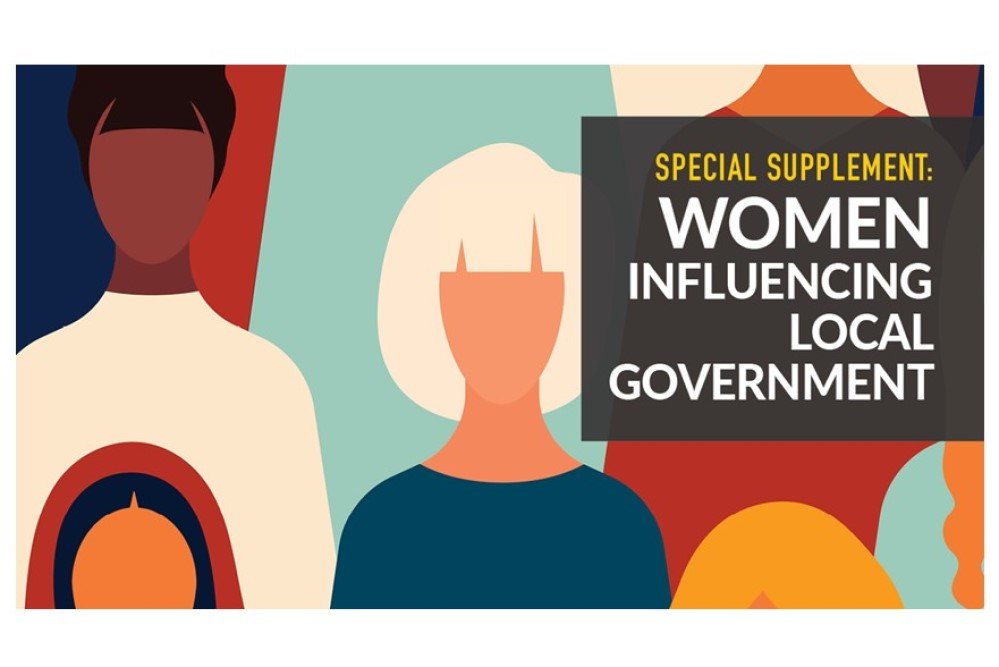
Women leaders in local governments are playing a transformative role in shaping inclusive, resilient, and forward-thinking communities. From promoting social justice to initiating sustainable economic policies, their influence is felt across neighborhoods, municipalities, and towns worldwide. Yet, their contributions often remain overshadowed by the dominant narratives of national and international politics.
This article reveals the untold stories of women leaders in local governments, explores the unique challenges they face, and celebrates their critical impact in building more equitable societies.
Breaking Barriers: A Historical Shift in Local Leadership
Traditionally, local governance has been dominated by male leadership. In most parts of the world, women were underrepresented or entirely absent from local councils and municipal boards. Cultural expectations, institutional biases, and limited access to resources created significant barriers to political participation for women.
However, the tides began to shift in the latter half of the 20th century. Grassroots feminist movements, civic education, and affirmative action policies in several countries created pathways for women to enter political spaces. These efforts were especially successful in local governments, where change often starts at the community level.
Today, women in local governments are bringing new leadership models—centered around collaboration, empathy, and inclusion—changing not just policy, but the very culture of local governance.
📊 Fact: According to UN Women, as of 2023, only 36% of elected local government representatives globally are women—but this number is growing steadily due to targeted policy interventions and gender quotas.
Driving Social Change from the Ground Up
Local governments are closest to the people, and women leaders often use their positions to prioritize issues directly impacting daily life. Their leadership is visible in community-focused initiatives such as:
- Expanding healthcare access in underserved areas
- Building shelters and support systems for victims of domestic abuse
- Enhancing access to childcare, education, and family services
- Improving public transportation and sanitation for women’s safety
🏙️ Case in Point: Fátima Gálvez – Peru
In rural Peru, Fátima Gálvez, a local councilor in the Cusco region, spearheaded the development of mobile health clinics. These clinics now serve dozens of mountain villages where women previously had to travel hours for maternal care. Her initiative has saved lives and empowered women to take control of their health.
This grassroots-style leadership is common among women in local governments. Their lived experiences often bring them closer to the challenges ordinary citizens face—especially other women, children, and marginalized groups.
Championing Local Economic Empowerment
Beyond social programs, women leaders in local government are turning their attention to inclusive economic development. They understand that building a robust, diverse local economy is key to long-term community success.
Key initiatives led by women include:
- Establishing micro-loan programs for women entrepreneurs
- Launching digital training hubs in low-income areas
- Supporting local farming and artisan cooperatives
- Advocating for inclusive urban planning and infrastructure
🌍 Global Spotlight: Valerie Plante – Montreal, Canada
Valerie Plante, the first woman mayor of Montreal, has reshaped the city’s economic agenda by integrating green entrepreneurship and affordable housing development. Under her leadership, the city introduced funding for startups focused on sustainability, attracting international investment while maintaining local priorities.
🇵🇰 Local Example: Yasmeen Rehman – Lahore
In Lahore, former city council member Yasmeen Rehman led a coalition to create local marketplaces for women-run home businesses. These pop-up markets allowed hundreds of women in inner-city Lahore to sell their goods directly to consumers, bypassing middlemen and patriarchal control structures.
Facing the Challenges: Gender Bias and Beyond
Despite their proven capabilities, women leaders in local governments often face persistent and complex barriers:
🔹 Gender-Based Discrimination
Even in progressive societies, women continue to battle stereotypes. They’re often seen as “too soft” for leadership or judged more harshly for decisions.
🔹 Lack of Institutional Support
Women often lack access to political networks and mentorship opportunities that their male counterparts enjoy, limiting their career advancement.
🔹 Harassment and Intimidation
Threats, harassment, and online abuse are increasingly common. In some countries, female mayors and council members have been physically attacked or forced out due to their activism.
👩💼 Case Study: Keisha Lance Bottoms – Atlanta, USA
As mayor of Atlanta, Keisha Lance Bottoms faced intense public and political pressure during protests and public health crises. Despite this, she focused on racial equity, housing, and public safety reforms, setting a benchmark for values-driven urban leadership.
The Intersection of Gender and Race in Local Governance
Women of color face additional hurdles due to racial and cultural biases. Their leadership journeys are often more arduous, yet their impact is profound.
✊🏽 Spotlight: Michelle Wu – Boston, USA
In 2021, Michelle Wu became Boston’s first woman and first person of color elected as mayor. Her policies focus on transit equity, green energy, and affordable housing—core issues for marginalized communities in the city.
Women like Wu demonstrate how intersectional leadership can deliver inclusive policies that benefit diverse populations.
Building a Pipeline: Empowering the Next Generation of Women Leaders
Creating an ecosystem that supports women’s entry and success in local government requires intentional strategies:
- Mentorship Programs – Pair aspiring leaders with seasoned women in governance
- Gender Quotas and Reserved Seats – Proven to increase participation, especially in developing countries
- Campaign Financing Support – Women candidates often lack the financial backing to compete fairly
- Leadership Training Workshops – Focused on public speaking, policy advocacy, and negotiation
Organizations such as She Should Run, Women in Local Government (UK), and UN Women’s LEAP program are working globally to empower the next wave of female political leaders.
Media, Academia, and Civil Society: Telling the Stories That Matter
Much of the work of women leaders in local governments goes unreported. Without visibility, the cycle of underrepresentation continues.
- Media must spotlight local female leaders with the same enthusiasm it gives to national figures.
- Academia should document their policy contributions and leadership impact in case studies and journals.
- Civil society organizations can create platforms for storytelling and support.
🔊 When these stories are told, they don’t just honor the past—they shape the future.
Conclusion: A New Vision for Local Leadership
The stories of women leaders in local governments are stories of courage, innovation, and hope. Their work is transforming communities—often quietly, and against considerable odds. But they’re not just reshaping policies; they’re redefining what leadership looks like at the local level.
As we continue to build a more equitable and inclusive society, it’s critical that we:
- Celebrate and amplify the voices of these leaders
- Break down the structural barriers they face
- Encourage more women and girls to enter the public sector
By supporting and sharing these untold stories, we contribute to a future where leadership is truly representative—of gender, of community, and of possibility