






The Future of Technology: Exploring Emerging Trends
The rapid pace of technological advancement is one of the defining features of the 21st century. Looking ahead, the future of technology promises even more transformative changes across our lives. From artificial intelligence to space exploration, emerging tech trends are set to reshape industries, economies, and daily routines. In this article, we explore the most promising and game-changing innovations shaping the future.
-
Artificial Intelligence and Machine Learning
Artificial intelligence (AI) and machine learning (ML) continue to lead the way in technological transformation. These technologies are being adopted across various sectors, including healthcare, finance, transportation, education, and entertainment. AI is capable of performing tasks that previously required human intelligence—such as natural language processing, facial recognition, and decision-making.
Smart assistants like Amazon Alexa, Apple Siri, and Google Assistant now use AI to provide more personalized and seamless user experiences. In healthcare, AI-driven diagnostic tools are reducing errors and improving outcomes. In finance, machine learning algorithms detect fraudulent transactions and improve risk analysis. The future of technology in AI also includes ethical AI development, explainable AI, and increased collaboration between humans and intelligent systems.
-
Quantum Computing
Quantum computing represents a major leap in computational power. Unlike classical computers, which use bits to process information as 0s or 1s, quantum computers use qubits, which can exist in multiple states at once. This principle, known as superposition, allows quantum systems to solve problems far beyond the reach of traditional computing.
Quantum computing has potential applications in cryptography, drug discovery, logistics, weather modeling, and financial simulations. For example, pharmaceutical companies are exploring quantum models to simulate molecular interactions for faster drug development. Although still in the early stages, advances by companies like IBM, Google, and startups such as Rigetti and IonQ are making commercial quantum computing more achievable.
-
Biotechnology and Genetic Engineering
Biotechnology is revolutionizing healthcare, agriculture, and environmental science. Tools like CRISPR-Cas9 allow for precise gene editing, making it possible to correct genetic disorders, create disease-resistant crops, and even eliminate certain hereditary conditions. The future of technology in biotech will likely include personalized medicine, where treatments are customized based on a patient’s genetic profile.
In agriculture, genetic engineering is enabling the production of high-yield, pest-resistant, and drought-tolerant crops, contributing to global food security. In healthcare, gene therapy and regenerative medicine are set to transform how diseases like cancer, diabetes, and rare genetic disorders are treated.
-
Space Exploration and Colonization
Space exploration is no longer limited to national space agencies. Private companies such as SpaceX, Blue Origin, and Virgin Galactic are driving innovation in space travel and research. The future of technology in this field involves reusable rockets, moon missions, and plans for colonizing Mars.
Colonizing Mars, for instance, requires breakthroughs in life support systems, radiation protection, sustainable agriculture, and closed-loop habitats. Space technologies are also benefiting Earth-based industries, with innovations in satellite communications, weather forecasting, and materials engineering.
-
The Internet of Things (IoT) and 5G Connectivity
The Internet of Things (IoT) refers to a vast network of interconnected devices that collect and exchange data. This includes everything from smart home gadgets and wearable health monitors to industrial sensors and autonomous vehicles. IoT is enhancing efficiency, automation, and data-driven decision-making.
The global rollout of 5G networks is expected to significantly enhance IoT capabilities. With faster internet speeds, lower latency, and the ability to connect billions of devices simultaneously, 5G will power real-time applications like smart traffic systems, remote surgery, and immersive virtual environments. The combination of IoT and 5G will be key to building smart cities and responsive public infrastructure.
-
Extended Reality: AR, VR, and the Metaverse
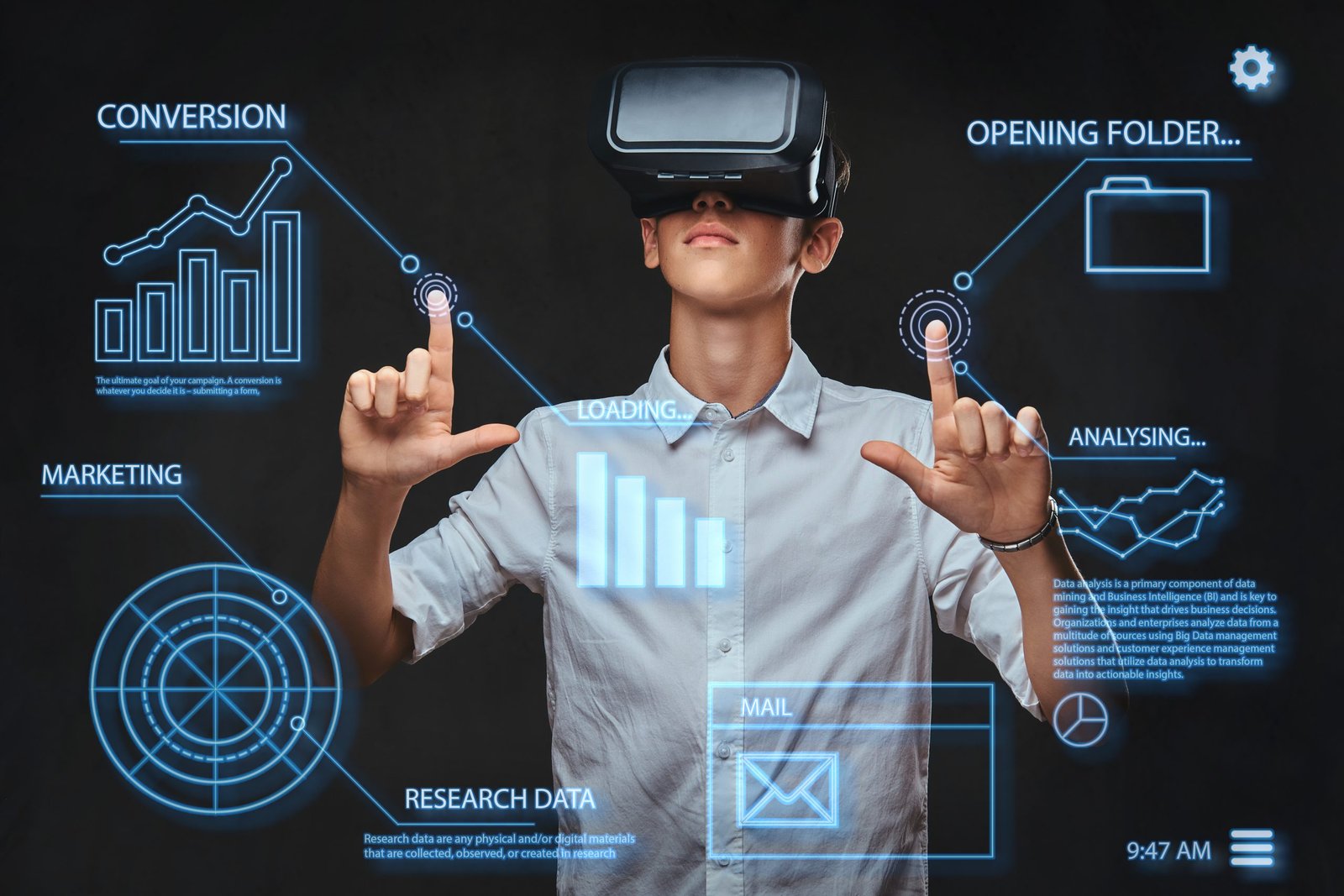
Extended Reality (XR), which includes Augmented Reality (AR), Virtual Reality (VR), and Mixed Reality (MR), is changing the way we interact with digital content. These technologies are already being used in gaming, training simulations, education, real estate, and therapy.
The concept of the metaverse—a shared, immersive digital space—is gaining traction with support from tech giants like Meta (Facebook), Microsoft, and Nvidia. In the future, we could see virtual workspaces, digital tourism, and even social platforms that blend physical and virtual realities seamlessly.
-
Sustainable and Green Technologies
As climate change becomes an urgent global concern, the future of technology must align with environmental sustainability. Innovations in renewable energy (solar, wind, hydrogen), energy storage, electric vehicles, and carbon capture are helping reduce our ecological footprint.
Smart grids, green building materials, and AI-driven climate modeling are making cities and industries more sustainable. Additionally, technologies like lab-grown meat and vertical farming are addressing food sustainability without increasing the strain on natural resources.
Conclusion
The future of technology holds exciting potential across every aspect of life—from healthcare and education to transportation and communication. Emerging trends such as AI, quantum computing, biotechnology, IoT, space exploration, and sustainable technologies are reshaping the global landscape.
However, embracing these innovations also requires responsible development, ethical considerations, and inclusive access. As we look ahead, thoughtful integration of technology will be essential to building a smarter, safer, and more equitable world.
Whether you’re a tech enthusiast, business leader, or policymaker, understanding and adapting to these trends will be key to thriving in the future of technology.