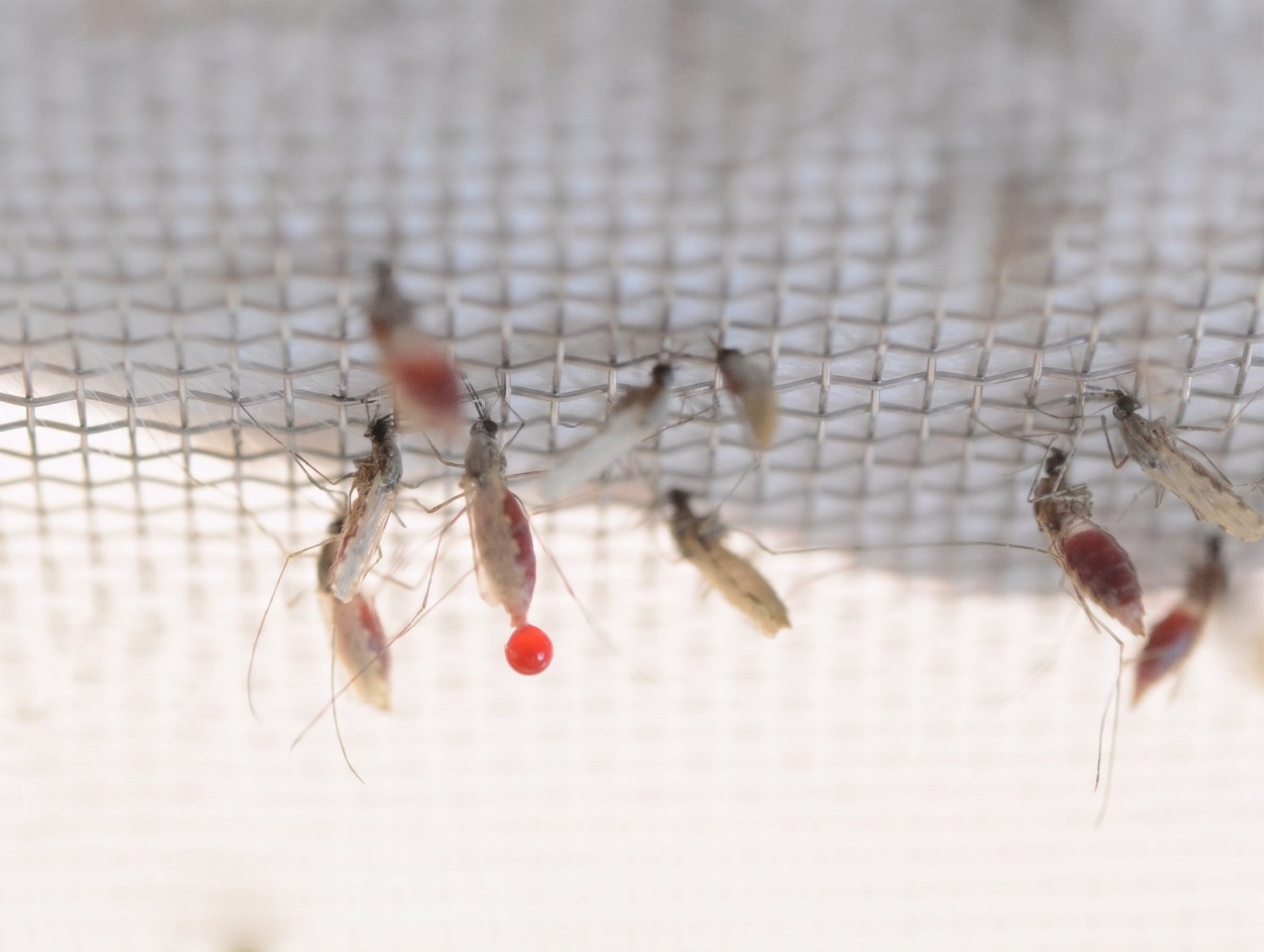
A new scientific study has found that a natural genetic change gives male malaria-carrying
mosquitoes a better chance of mating in hot weather. However, the same genetic change
makes female mosquitoes more likely to become infected with malaria parasites. The findings
could help scientists understand how rising temperatures affect malaria transmission.
The study was published in the scientific journal Cell on November 19. It was conducted by
researchers at the Center for Excellence in Molecular Plant Sciences (CEMPS) of the Chinese
Academy of Sciences.
Malaria is one of the world’s most dangerous infectious diseases. According to estimates, the
disease caused around 282 million cases and 610,000 deaths worldwide in 2024. It spreads to
humans through the bites of infected female Anopheles mosquitoes, which carry Plasmodium
parasites.
Scientists are paying special attention to a mosquito species called Anopheles stephensi. This
species originally lived in South Asia and parts of the Arabian Peninsula. However, it has
gradually spread to several African countries, raising concerns about the future control of
malaria.
The mosquito was first detected in Djibouti in 2012. Since then, it has expanded into other parts
of Africa, creating new challenges for malaria prevention efforts.
Unlike many other malaria-carrying mosquitoes, Anopheles stephensi can easily survive in
urban areas. It often breeds in water storage containers made by humans and can tolerate
extremely high temperatures.
As global temperatures continue to rise, scientists want to understand how this mosquito
survives in hot conditions and whether these changes could increase the spread of malaria.
To investigate this issue, researchers led by Wang Sibao at CEMPS studied the genetic
changes that help these mosquitoes adapt to high temperatures. They also examined how
these changes could affect their ability to spread malaria.
The researchers discovered a natural genetic change involving a deletion of around 5 kilobases
in a gene called timeless (tim). This gene plays an important role in the mosquito’s internal body
clock, which helps control daily biological activities.
The study found that this genetic change affects male and female mosquitoes differently. Male
mosquitoes carrying one copy of the genetic variant gain a significant mating advantage when
temperatures are high.
However, female mosquitoes carrying the same genetic change become more vulnerable to
infection by Plasmodium parasites, which cause malaria.
These findings show that genetic changes that help mosquitoes survive in warmer conditions
may also affect their reproduction and ability to carry malaria parasites.
The researchers believe that understanding these genetic differences could provide important
information about mosquito behaviour, climate change and the future risks of malaria
transmission.
Source: Chinese Academy of Sciences