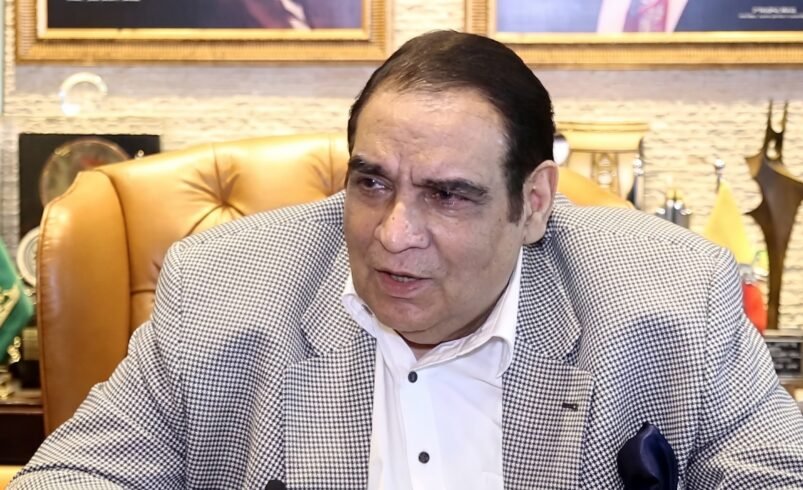
Former President of the SAARC Chamber of Commerce and Industry Iftikhar Ali Malik has
praised the new long-term education policy, “Education 2.0”. He described it as an important
step towards replacing the outdated colonial-era education system with a modern approach that
meets Pakistan’s technological and development needs.
In a congratulatory letter to Federal Minister for Planning, Development and Special Initiatives
Ahsan Iqbal, Iftikhar Ali Malik appreciated the efforts to develop a balanced and comprehensive
education policy. He said the new framework aimed to bring Pakistan’s education standards
closer to those of developed countries and prepare young people for future technological
challenges.
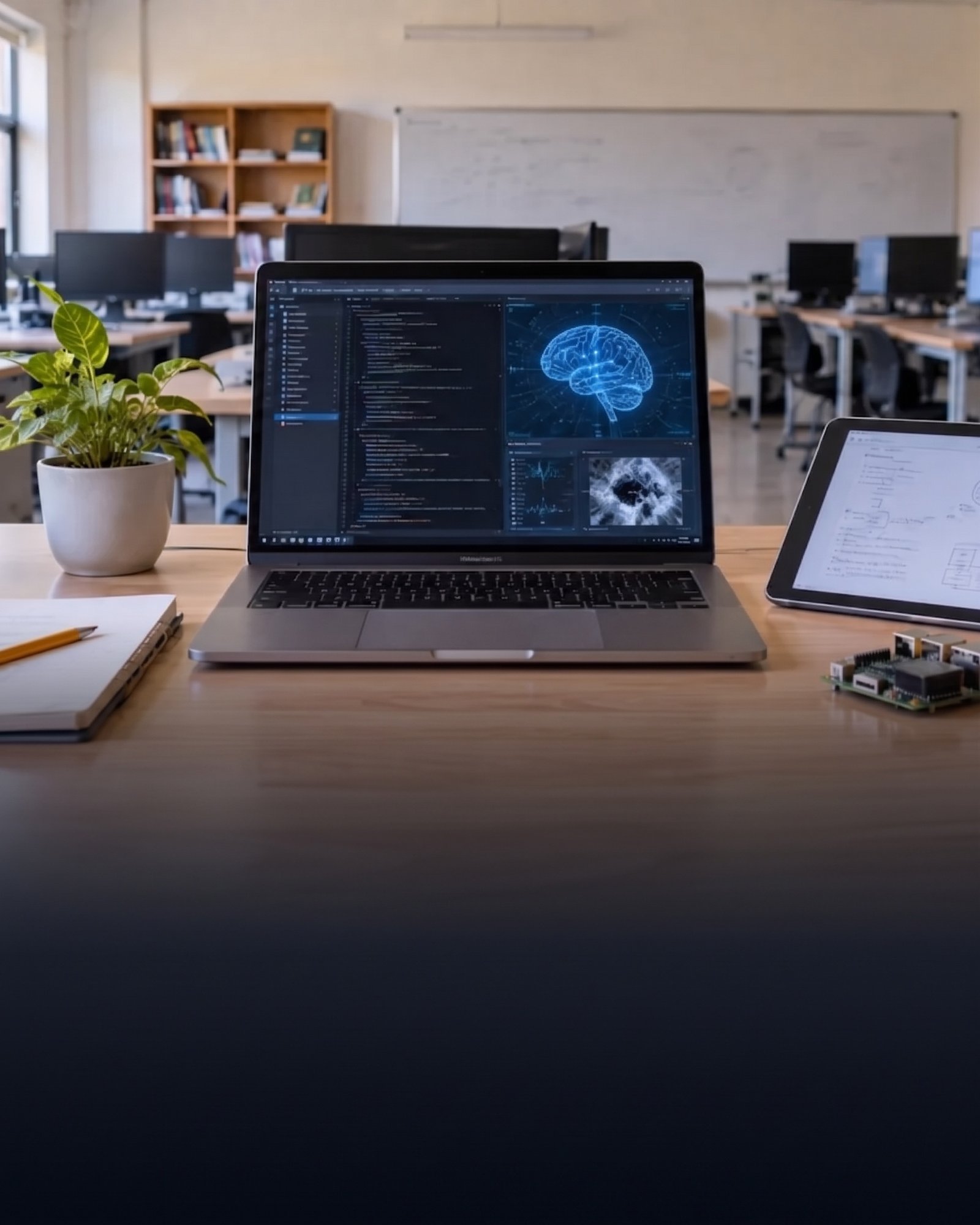
He said the Education 2.0 policy correctly presented artificial intelligence (AI) and modern
technology as tools to support teachers rather than replace them. He also highlighted the
importance of developing Pakistan’s own digital and educational resources.
According to him, the policy would help reduce differences between various education systems
by introducing common learning standards for public schools, private institutions, madrassas,
and international education systems.
Iftikhar Ali Malik said the policy aimed to prepare confident, responsible, and skilled Pakistanis.
It would encourage students to think independently, adapt to changes, and develop skills that
could support the country’s progress.
He explained that Pakistan’s future depended on the quality of education provided to children
today. He added that the country needed to move away from the old colonial-era education
model introduced under Macaulay’s 1835 system and adopt an approach that supports
innovation, independent thinking, and strong moral values.
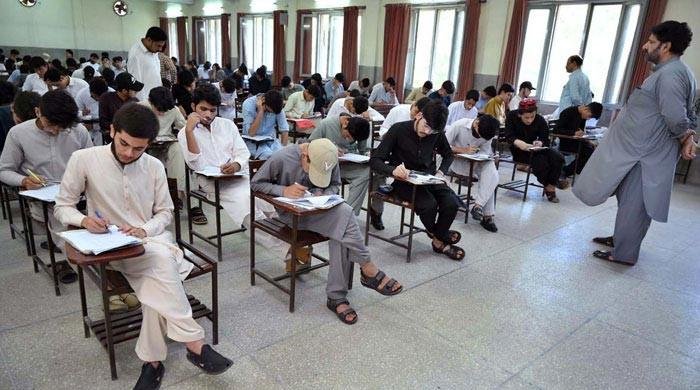
He also pointed out that the traditional education system mainly focused on memorising
information, passing examinations, and repeating facts. It gave less attention to independent
learning, research, and critical thinking.
Iftikhar Ali Malik said education reforms had become more important because of the rapid
growth of artificial intelligence, automation, and Industry 4.0. He explained that machines could
now produce information quickly, so students needed skills beyond memorisation.
He stressed that students should develop problem-solving abilities, critical thinking, evidence
based reasoning, and the ability to make responsible decisions.
He further said the Education 2.0 policy would address the ethical and social challenges linked
to new technologies. It would also prepare young people for changing job requirements and the
future demands of Industry 5.0.
Source: Statement by Iftikhar Ali Malik