Russia and Pakistan have agreed to explore new areas of cooperation in energy, trade, science,
technology and other important sectors. The discussions took place during the 11th meeting of
the Russia-Pakistan Intergovernmental Commission on Trade, Economic, Scientific and
Technical Cooperation (IGC).
Russian Energy Minister Sergey Tsivilev and Pakistan’s Federal Minister for Power, Sardar
Awais Ahmad Khan Leghari, jointly chaired the meeting.
During the meeting, Sergey Tsivilev described Pakistan as an important partner for Russia in
South Asia. He said both countries have a long history of friendship, mutual respect and
cooperation.
Energy remained one of the main topics of discussion. Both sides explored opportunities to
work together in the oil and gas sectors. They also discussed the construction of a hydropower
plant in Pakistan and increasing the supply of Russian energy resources and equipment,
including liquefied natural gas (LNG) and liquefied petroleum gas (LPG).
Tsivilev said that recognising Russian oil and gas standards is important for moving forward with
energy cooperation. He added that efforts to resolve this matter were already underway.
Space technology was another important area discussed during the meeting. Russia showed
interest in expanding its cooperation with Pakistan by sharing its scientific and technical
knowledge.
Tsivilev said Russia was ready to share its experience in satellite navigation, communication
systems, Earth observation, human spaceflight and other space technologies.
Both countries also discussed opportunities for industrial cooperation, especially the
modernisation of the metallurgical complex in Karachi. Russian company MetPromStroy is
exploring ways to take part in the project and is working on possible technical and
organisational plans.
Trade between the two countries has also shown positive growth. During the first nine months of
this year, bilateral trade increased by 11 percent and crossed $300 million.
Tsivilev said increasing trade and expanding the range of products exchanged between the two
countries were important priorities. He added that a free trade agreement between the Eurasian
Economic Union (EAEU) and Pakistan could further strengthen business relations.
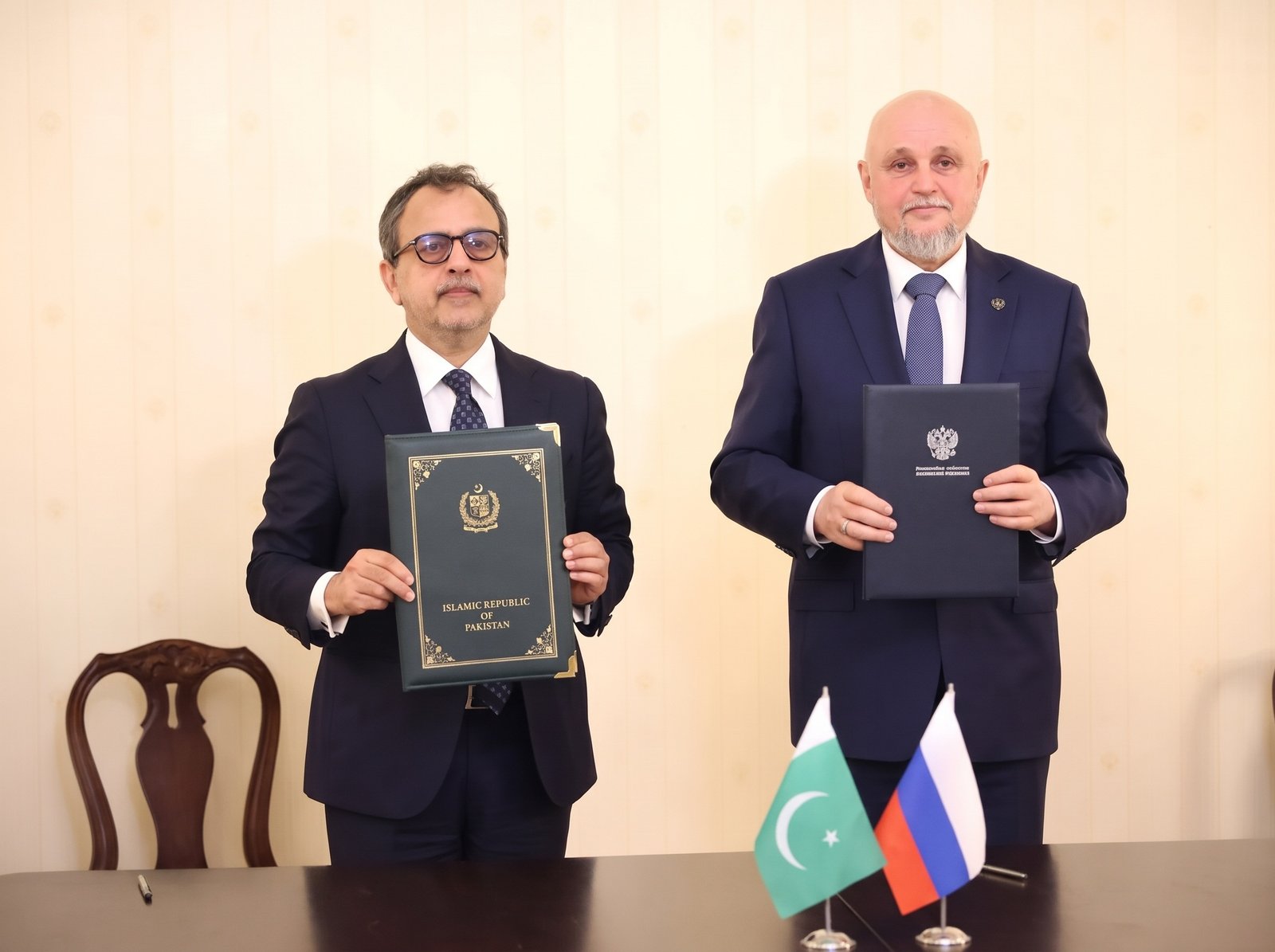
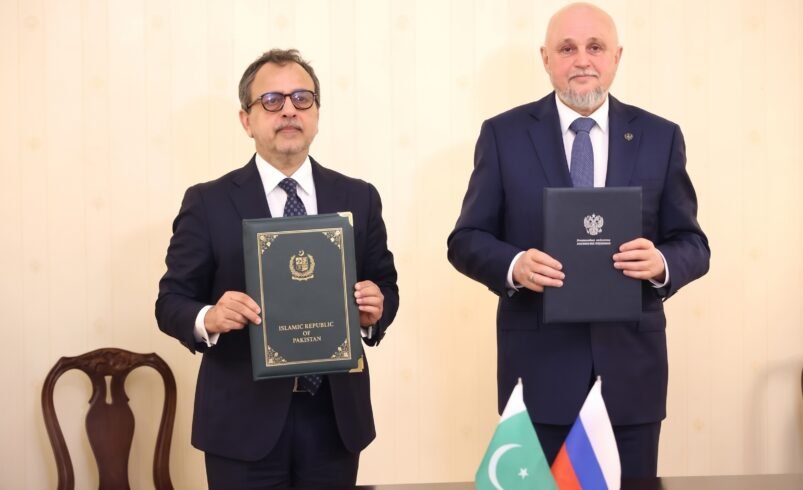
One of the major outcomes of the meeting was the signing of the Russia-Pakistan Economic
Cooperation Program for 2026–2030. Several other documents related to transport, nuclear
energy, science, culture and additional areas of cooperation were also prepared for signing.
The meeting also covered education, digital technology and improvements to the legal
framework for cooperation between the two countries.
The results of the meeting showed that Russia and Pakistan are interested in expanding their
partnership and building stronger economic, scientific and friendly relations for the future.
Source: Russia-Pakistan Intergovernmental Commission – Information provided in the supplied
report.