The Asia & Oceania Post-Doctoral Academia (AOPDA) has issued a global health warning
about damaged sewer systems and open drains. The organisation says poor sewage systems
are increasing the spread of dangerous drug-resistant bacteria, also known as superbugs.
These bacteria can spread through polluted air and contaminated groundwater.
The warning was issued on Wednesday ahead of World Antimicrobial Resistance (AMR)
Awareness Week 2026, which will be observed from November 18 to 24. This year’s theme is
“One Health, One Action: Prevent AMR Now”. AOPDA said untreated wastewater was an
important but often ignored cause of the growing superbug crisis.
The organisation highlighted the problem in rapidly growing cities across Asia, Africa and Latin
America. It said more than 80 per cent of wastewater in these regions is released without proper
treatment.
The assessment is based on around two decades of research by Prof. Dr. Aurangzeb Hafi,
Principal Investigator of AOPDA. His research identifies poor sewage systems as a major
source of pollution affecting water, air, soil and human health.
The warning is serious because antimicrobial resistance (AMR) is linked to an estimated 4.71
million deaths every year worldwide. Research estimates that it could directly cause more than
39 million deaths by 2050. Most of these deaths are expected to occur in low- and middle
income countries.
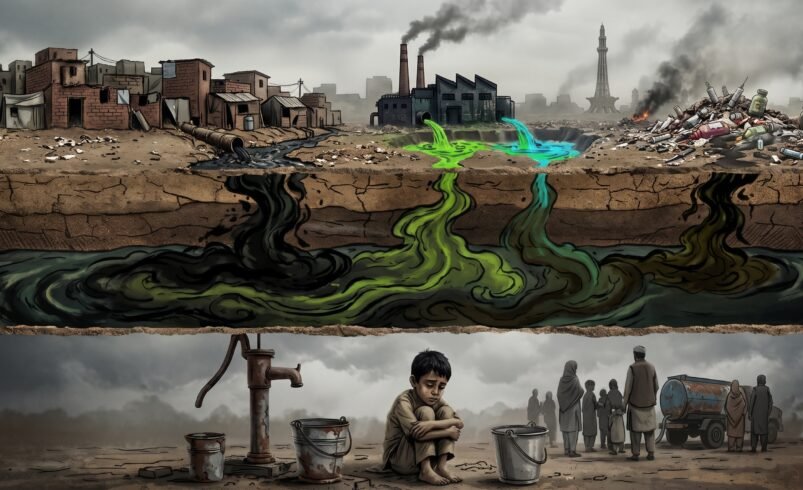
According to Prof. Hafi’s research, open drains and damaged sewer networks spread harmful
bacteria through two main routes. These include polluted air and contaminated underground
water.
Open drains can collect hospital waste, industrial chemicals, heavy metals, plastic particles,
pesticides and cleaning chemicals. These pollutants create conditions that allow drug-resistant
bacteria and other harmful microorganisms to survive and spread.
Open sewage channels also release dangerous gases such as hydrogen sulphide and
ammonia. They can also release very small polluted particles into the air. These particles may
carry drug-resistant bacteria and fungal spores. During winter, ammonia from sewage can mix
with vehicle pollution and contribute to smog.
Another major concern is leakage from underground sewer pipes. Untreated sewage can enter
underground water sources and contaminate drinking water. The research cited by AOPDA
reportedly found Shiga toxin-producing E. coli (STEC), a harmful type of bacteria, in more than
97 per cent of groundwater samples collected in Lahore at depths of 100 to 120 feet.
The assessment also warned that heavy metals can help antibiotic-resistant bacteria survive for
longer periods. This can make water contamination more difficult to control.
AOPDA highlighted the risks for children and pregnant women. It said around 2.1 billion people
worldwide do not have safely managed drinking water, while 2.5 billion lack basic sanitation
facilities.
Contaminated water and environmental pollution can affect children’s ability to absorb nutrients.
This may lead to poor growth and childhood stunting. Harmful bacteria and heavy metals can
also create health risks for pregnant women and unborn babies.
To address the problem, Prof. Hafi called for a Global Hydro-Detoxification Initiative. He urged
governments, international organisations and city development authorities to make better
sewage systems part of their plans to control antimicrobial resistance.
The recommended steps include covering open urban drains, planting green barriers around
sewage channels and repairing leaking underground sewer pipes. He also suggested using
modern Cured-In-Place Pipe (CIPP) technology to seal damaged pipes without digging them up.
Another recommendation is to expand the World Health Organisation’s Global Antimicrobial
Resistance and Use Surveillance System (GLASS). This would help monitor sewage pollution,
airborne particles and groundwater for signs of drug-resistant bacteria.
AOPDA stressed that the fight against superbugs should not be limited to hospitals and the
careful use of antibiotics. It said safe sanitation, clean groundwater and regular environmental
monitoring are also necessary to protect public health.
Source: Asia & Oceania Post-Doctoral Academia (AOPDA)
Welcome to Blogging Journals, a dedicated digital publication established to deliver timely, objective, and comprehensive coverage of current affairs, geopolitical developments, economic shifts, and critical global events.