







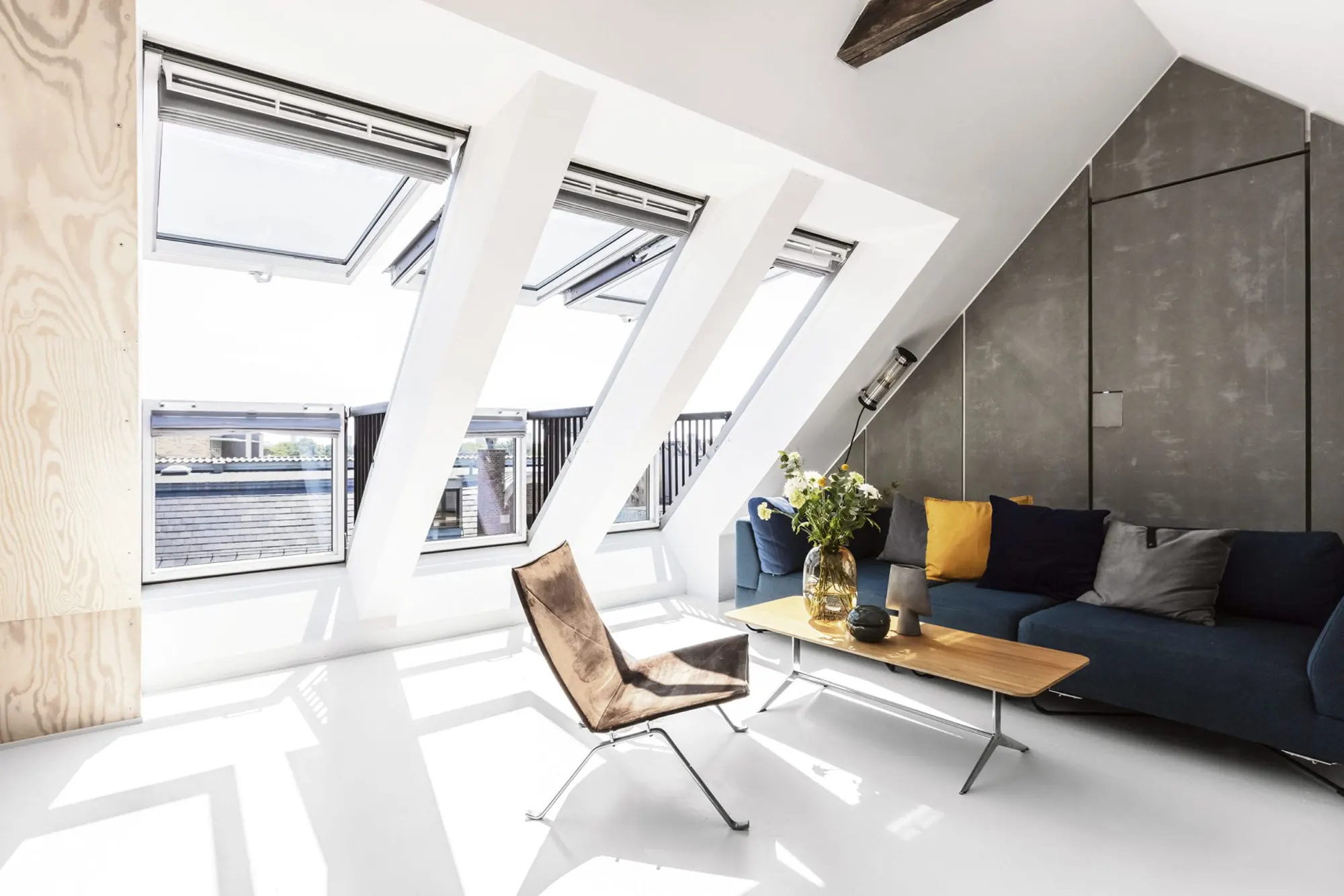
The Ultimate Guide to Transforming Your Attic into a Stunning Loft Conversion
A loft conversion is one of the most effective ways to maximize the potential of your home. Transforming your attic into a stunning, functional space can add significant value to your property while providing you with extra room for a variety of purposes. Whether you need an additional bedroom, a home office, or a playroom for the kids, a loft conversion can be the perfect solution. In this ultimate guide, we’ll walk you through the essential steps to achieve a successful loft conversion.
1. Assess the Feasibility
Before diving into a loft conversion project, it’s crucial to determine whether your attic is suitable for conversion. Factors to consider include:
- Head Height: Measure the height from the floor to the highest point of the roof. Ideally, you need at least 2.2 meters for a comfortable living space. If your attic is too low, you may need to consider raising the roof or lowering the ceiling of the rooms below.
- Roof Structure: Traditional roofs with a steep pitch are generally easier to convert than modern trussed roofs. Consulting a structural engineer can help you understand what modifications may be necessary.
- Access and Staircase: Consider how you will access the new loft space. Planning the placement of a staircase is critical and may affect the layout of the floor below.
- Building Regulations: Ensure that your loft conversion complies with local building codes and regulations. This includes fire safety measures, insulation, and structural integrity.
2. Plan Your Design
The design phase is where your vision comes to life. Start by considering how you want to use the new space. Here are some popular ideas for loft conversions:
- Bedroom with Ensuite: A spacious bedroom with an attached bathroom is a popular choice for loft conversions. It can serve as a luxurious master suite or a guest room.
- Home Office: Create a quiet, dedicated workspace away from the distractions of the main house.
- Playroom: An attic playroom can be a fantastic space for kids to play and store their toys.
- Gym: Set up a home gym with all your workout essentials.
- Studio: Use the loft as an art studio, music room, or hobby space.
Once you have a clear idea of how you want to use the space, work with an architect or designer to create detailed plans. Consider elements such as natural light, ventilation, and storage solutions. Skylights and dormer windows can bring in ample light and make the space feel larger.
3. Budget and Financing
Loft conversions can vary significantly in cost, depending on the size and complexity of the project. On average, a loft conversion in the UK can cost between £20,000 and £50,000. Here are some factors that influence the cost:
- Structural Modifications: Major changes to the roof structure or floor reinforcement can add to the expense.
- Fixtures and Fittings: The quality of materials, such as flooring, windows, and bathroom fixtures, will affect the overall cost.
- Professional Fees: Architectural drawings, structural engineering reports, and building permits will incur additional costs.
- Labor Costs: The cost of hiring builders, electricians, plumbers, and other tradespeople will form a significant part of your budget.
To finance your loft conversion, consider options such as savings, home improvement loans, or remortgaging your property. It’s essential to set a realistic budget and include a contingency fund for unexpected expenses.
4. Obtain Necessary Permissions
Depending on the scope of your loft conversion, you may need planning permission. In many cases, loft conversions fall under permitted development rights, meaning you won’t need full planning permission. However, it’s crucial to check with your local planning authority to ensure compliance.
You’ll also need to comply with building regulations, which cover aspects such as fire safety, insulation, and structural stability. Your architect or builder can guide you through the application process.
5. Hire the Right Professionals
A successful loft conversion requires skilled professionals. Hiring the right team can make a significant difference in the outcome of your project. Key professionals you may need include:
- Architect/Designer: To create detailed plans and ensure the design meets your needs and complies with regulations.
- Structural Engineer: To assess the structural integrity of your home and design necessary modifications.
- Builder/Contractor: To carry out the construction work. It’s essential to choose a reputable builder with experience in loft conversions.
- Specialist Tradespeople: Such as electricians, plumbers, and plasterers, to complete specific aspects of the project.
6. Construction Phase
With all plans approved and professionals hired, the construction phase can begin. Here are the typical stages of a loft conversion:
- Preparation: Clear out the attic and prepare the site for construction.
- Structural Work: Reinforce the floor, install new joists if necessary, and make any required changes to the roof structure.
- Windows and Insulation: Install skylights or dormer windows and ensure proper insulation to meet building regulations.
- Staircase Installation: Fit the staircase for access to the new loft space.
- Interior Work: Complete the interior, including walls, flooring, electrics, plumbing, and decorating.
7. Final Touches
Once construction is complete, add the final touches to your new loft space. Furnish and decorate according to your design vision, and ensure all fixtures and fittings are in place.
Conclusion
A loft conversion can transform your home, providing valuable extra space and potentially increasing the property’s value. By following this ultimate guide, you can navigate the process with confidence and create a stunning loft conversion that meets your needs and enhances your home. From assessing feasibility to the final touches, each step is crucial in achieving a successful and beautiful attic transformation.