





Intermediate Exams Begin in Karachi as Over 159,000 Students Appear Across Centers
Overview of the 2026 Intermediate Examinations
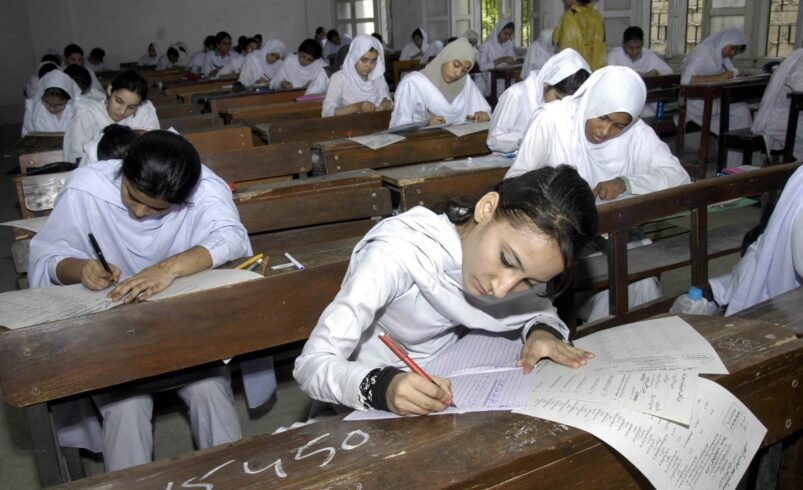
The city of Karachi has once again stepped into one of the most crucial academic seasons of the year as intermediate examinations officially begin. This year, the scale is massive, with over 159,572 students participating in the exams, reflecting the growing academic population in Pakistan’s largest metropolitan city. These Karachi Intermediate Exams 2026 are conducted under the supervision of the Board of Intermediate Education Karachi (BIEK), which is responsible for managing thousands of candidates across multiple streams and disciplines.
The exams commenced on April 29, 2026, marking the beginning of a rigorous academic journey that will continue until mid-June. Students from both Class XI and Class XII are appearing in this first phase, covering a wide spectrum of subjects including pre-medical, pre-engineering, arts, and commerce. For many students, this is not just another exam—it is a defining moment that shapes their future academic and professional paths.
This year’s examination cycle stands out due to its scale, improved monitoring systems, and stricter security protocols. The authorities have emphasized transparency, fairness, and student safety, signalling a shift toward a more organized and accountable examination system. The sheer number of participants also highlights the increasing demand for higher education in Karachi and across Pakistan.
Examination Centers and Scheduling
Managing exams for over 159,000 students is no small feat, and the authorities have responded by setting up 175 examination centers across Karachi. These centres are strategically distributed to accommodate students from different districts, ensuring accessibility and minimizing travel-related challenges.
To manage the substantial number of candidates efficiently, the exams are being conducted in two shifts: morning and evening. Out of the total centers, approximately 130 are allocated for morning sessions, while 45 centers operate in the evening shift. This dual-shift system not only optimizes resource utilization but also helps maintain order and discipline within examination venues.
The scheduling also reflects an effort to reduce overcrowding, a common issue in previous years. By dividing students into different shifts, the board aims to create a more controlled environment where invigilation can be conducted effectively. Students are advised to strictly follow their assigned timings and Canter details to avoid confusion or delays.
Categories of Students and Streams
The intermediate examinations cater to a diverse group of students pursuing various academic paths. This includes science streams such as pre-medical and pre-engineering, which are traditionally the most competitive, as well as science general, arts regular, and arts private groups.
In addition to regular students, the board has also accommodated special candidates, diploma holders in physical education, and those appearing for grade improvement or additional subjects. This inclusive approach ensures that students from all educational backgrounds have an opportunity to participate and improve their academic standing.
Each stream comes with its own set of challenges and expectations. For instance, pre-medical students often face intense competition due to limited seats in medical colleges, while arts students may focus on building a solid foundation for careers in the humanities and social sciences. This diversity adds complexity to the examination process but also reflects the dynamic nature of Pakistan’s education system.
Security Measures and Sensitive Centers
One of the most critical aspects of the Karachi Intermediate Exams 2026 is the emphasis on security. Authorities have identified 21 examination centers as extremely sensitive, with an additional nine categorized as sensitive. This classification allows law enforcement agencies to allocate resources more effectively and ensure a safe environment for students.
To maintain order, Section 144 has been imposed around examination centers, restricting gatherings and unauthorized activities. Photocopy shops near exam venues have also been banned from operating during exam hours to prevent cheating and paper leaks.
Law enforcement agencies, including police and Rangers, have been actively involved in ensuring security. Their presence not only deters misconduct but also provides reassurance to students and parents. The collaboration between educational authorities and security agencies highlights the seriousness with which these exams are being conducted.
Introduction of Digital Monitoring System
A major highlight of the Karachi Intermediate Exams 2026 is the introduction of the Digital Attendance Monitoring System (DAMS). This system represents a significant step toward modernization and transparency in the examination process.
Under DAMS, the attendance of both students and examination staff is recorded digitally, reducing the chances of manipulation or errors. Additionally, the transportation and handling of question papers are being monitored through real-time imaging and surveillance.
The technology in education serves multiple purposes. It enhances accountability, minimizes the risk of malpractice, and builds trust in the examination system. For a city like Karachi, where exam-related controversies have been reported in the past, such innovations are a welcome change.
Anti-Cheating Measures and Policies
Cheating has long been a concern in board examinations, and this year, authorities have taken a firm stance against it. Extraordinary measures have been implemented to prevent paper leaks, particularly through WhatsApp groups, which have been a recurring issue.
Legal action is being pursued against individuals involved in such activities, with the involvement of cybercrime authorities. The use of QR codes and barcodes on question papers further enhances security by ensuring traceability.
These measures send a clear message: academic integrity is non-negotiable. By cracking down on cheating, the board aims to create a level playing field where success is determined by merit rather than unfair advantages.
Heatwave Preparedness and Student Safety
Karachi’s scorching summer poses a significant challenge during examination season. Recognizing this, authorities have made special arrangements to ensure student safety. Emergency services, including ambulances and first aid facilities, have been deployed near examination centers.
Coordination with various government departments, including health and electricity providers, has also been established to address potential issues such as power outages and medical emergencies. These proactive measures are crucial in preventing disruptions and ensuring that students can focus on their exams without additional stress.
Challenges Faced by Students
Despite the improved arrangements, students continue to face several challenges. Exam pressure remains one of the most significant issues, with many students experiencing anxiety and stress. The competitive nature of intermediate exams, combined with grand expectations from families and society, can be overwhelming.
Logistical issues, such as transportation and canter allocation, also add to the burden. In previous examinations, reports of mismanagement and last-minute changes have caused confusion among students. While authorities have taken steps to address these problems, the need for continuous improvement remains.
Importance of Intermediate Exams in Pakistan
Intermediate exams hold immense importance in Pakistan’s education system. They serve as a gateway to higher education and play a crucial role in determining a student’s career path. Whether it’s securing admission in a medical college, engineering university, or pursuing other professional fields, performance in these exams is often a deciding factor.
For many students, these exams are not just about grades—they represent years of hard work, aspirations, and dreams. The outcomes can shape their future opportunities, making it essential for the examination system to be fair, transparent, and efficient.
Conclusion
The commencement of Karachi Intermediate Exams 2026 marks a significant moment for over 159,000 students striving to achieve their academic goals. With enhanced security, digital monitoring, and improved logistical arrangements, this year’s exams reflect a shift toward a more organized and transparent system.
At the same time, challenges such as exam pressure and environmental conditions remind us of the need for continuous support and improvement. As students navigate this critical phase, the focus remains on fairness, integrity, and the pursuit of excellence.