




Introduction: Why On-Page SEO Still Matters in 2026
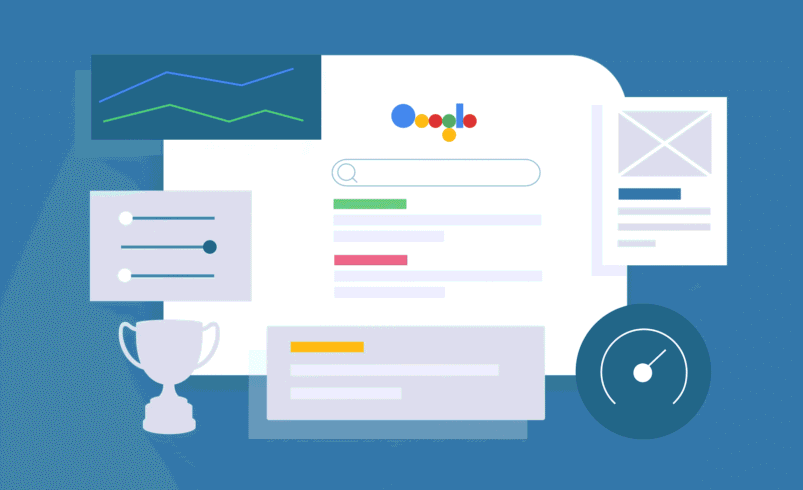
You have heard on-page SEO is dead. That is a lie. Google’s AI Overviews changed search. But on-page SEO remains critical. It helps Google understand your content. It helps AI cite your pages. Without proper on-page optimization, your content stays invisible. This on-page SEO checklist gives you 15 simple steps. Each step is backed by 2026 data. No fluff. Just action items you can complete today. Follow this checklist. Watch your rankings improve.
Why Old Tactics Fail in 2026
Search engines are not what they used to be. Gartner predicts search volume will drop 25% by 2026. Generative AI causes this to drop. Google’s AI Overviews now appear in 47% of searches. Moz’s research shows AI Overviews could slash organic traffic by 18% to 64%. What does this mean for on-page SEO? Your content must be AI‑friendly. You need a clear structure. You need proper schema. This on-page SEO checklist prepares you for the new era.
Pick Your One True Keyword
Do not target multiple keywords on one page. Choose one primary keyword. Use it in your title tag. Use it in your first 100 words. H1 Must have Focus Keyword. Keep keyword density under 2%. Stuffing keywords will hurt you. Write naturally to humans first. Google understands synonyms now. Your primary keyword should match user intent. Ask yourself: what is the searcher looking for? Answer that question directly. This is the foundation of any on-page SEO checklist.
Craft a Click‑Worthy Title Tag
Your title tag is the first thing searchers see. Keep it under 60 characters. Put your primary keyword near the beginning. Include a power word like “Ultimate” or “Checklist.” Add a number if possible. For example: “On-Page SEO Checklist: 15 Steps to Rank Faster.” Match the title to your content. Do not clickbait. Google will penalize misleading titles. A good title tag improves click‑through rates by up to 20%.
Write a Meta Description That Gets Clicks
Meta descriptions do not directly affect rankings. But they influence clicks. Keep between 120 and 155 characters. Include your primary keyword naturally. Add a call‑to‑action. Examples include “Learn more” or “Get the checklist.” Write for humans, not robots. A compelling meta description can boost CTR by 5% to 10%. Every one-page SEO checklist includes this step.
Use Exactly One H1 Heading Per Page
Your H1 heading tells Google what the page is about. Use only one H1 per page. Put your primary keyword in the H1. Make it clear and descriptive. Do not stuff keywords. Keep it under 70 characters. Your H1 should match the title tag closely. This signals relevance to Google.
Build a Logical Heading Hierarchy
Break your content into sections. Use H2 for main sections. Use H3 for subsections. This creates a logical hierarchy. Google uses headings to understand your content structure. Include keywords in subheadings. But write naturally. Each section should cover one topic. This improves readability for humans and crawlers. Any good on-page SEO checklist emphasizes heading structure.
Hook Readers in Your First 100 Words
Your first 100 words are critical. Include your primary keyword here. Answer the searcher’s question immediately. Hook the reader within two sentences. Keep sentences short. Under 20 words each. Tell them what they will learn. Promise value. A weak introduction increases bounce rates. Bounce rates can hurt rankings.
Describe Every Image with Alt Text
Images need alt text for accessibility and SEO. Describe the image accurately. Include your keyword if relevant. Do not stuff keywords. Keep alt text under 125 characters. Use hyphens between words. For example: “on-page-Seo-checklist-example.” Alt text helps Google understand image content. It also drives traffic from image search. Many beginners skip this step. Do not be one of them.
Link to Your Own Pages (Internal Links)
Link to other pages on your site. Use descriptive anchor text. For example: “Check out our on-page SEO checklist for beginners.” Internal links help Google crawl your site. They distribute page authority. They keep users on your site longer. Link to 3 to 5 relevant pages per post. Avoid generic anchor text like “click here.” Specifically. This step is often overlooked but powerful.
Cite Trusted External Sources
Link to high‑authority websites. Examples include Google, Moz, or Search Engine Journal. External links show Google you did your research. They add credibility to your content. Open external links in a new tab. Use relevant anchor text. Do not link to low‑quality or spammy sites. A single bad external link can hurt your reputation. Link to 2 to 4 trusted sources per post.
Simplify Your URL Structure
Your URL should be short and descriptive. Use your primary keyword. Remove stop words like “and” or “the.” Use hyphens between words. For example: /on-page-seo-checklist not /on_page_seo_checklist_2026_final. Keep URLs under 60 characters. Lowercase only. This improves click‑through rates. It also helps Google understand your page topic.
Make Every Sentence Easy to Read
Remember the rule: each sentence is under 20 words. Break long sentences into two. Use bullet points and numbered lists. Keep paragraphs under 200 words. Write at a 6th to 8th grade reading level. This improves user experience. Google measures dwell time. Hard‑to‑read content increases bounce rates. Every effective on-page SEO checklist prioritizes readability.
Add Schema Markup (No Excuses)
Schema markup tells Google exactly what your content means. Use FAQ schema for question posts. Use Article schema for blog posts. Implement schema using JSON‑LD format. Test it with Google’s Rich Results Test. Schema can boost CTR by 20% to 40%. It also helps AI Overviews cite your content. This is mandatory in 2026.
Optimize for Google’s Featured Snippets
Featured snippets capture 35% of clicks. To win them, answer questions directly. Use paragraph format for definitions. Use bullet points for lists. Keep answers under 50 words. Put the question as an H2 or H3. Then answer immediately below. Google pulls snippet answers from well‑structured content. This step alone can double your traffic.
Speed Up Your Page (Core Web Vitals)
Core Web Vitals are a ranking factor. Largest Contentful Paint must be under 2.5 seconds. Interaction to Next Paint under 200 milliseconds. As of November 2025, only 54.6% of sites pass. Compress images. Use a CDN. Minimize JavaScript. Test with Google’s PageSpeed Insights. A one‑second delay cuts conversions by 20%. Speed is non‑negotiable.
Put Mobile First (Always)
Google uses mobile‑first indexing. Over 60% of traffic comes from mobile. Your mobile site must be perfect. Use responsive design. Ensure buttons are tappable. Text should be readable without zooming. Avoid pop‑popups that cover content. Evaluate with Google’s Mobile‑Friendly Test. If your mobile experience fails, you will not rank.
Hard Truths About This Checklist
Here is the truth. Most people skip half of these steps. That is why they never rank. Following this complete on-page SEO checklist puts you ahead of 80% of competitors. You do not need to be perfect. Just consistently apply these 15 steps. Each step compounds over time. Small improvements lead to top rankings.
Wrapping It Up
Mastering on-page SEO is not complicated. It is systematic. This on-page SEO checklist gives you 15 clear steps. Target one keyword per page. Optimize titles and meta descriptions. Use proper heading structure. Add internal and external links. Improve readability. Add schema markup. Speed up your site. Make it mobile‑friendly. Do these steps consistently. Watch your rankings rise. Start today with Digital Agency Pakistan. Pick one page. Apply the first three steps right now.
Recommendations
Always audit your existing pages first. Use Google Search Console to find underperforming content. Prioritize pages that rank on page two. Fix their title tags and meta descriptions. Then move to headings and internal links. Run speed tests monthly. Update old content with fresh data. Add schema markup to your top 10 pages. Track your keyword positions every two weeks. Do not try to fix everything at once. Small weekly improvements have added up. A consistent on-page SEO checklist routine wins long‑term.