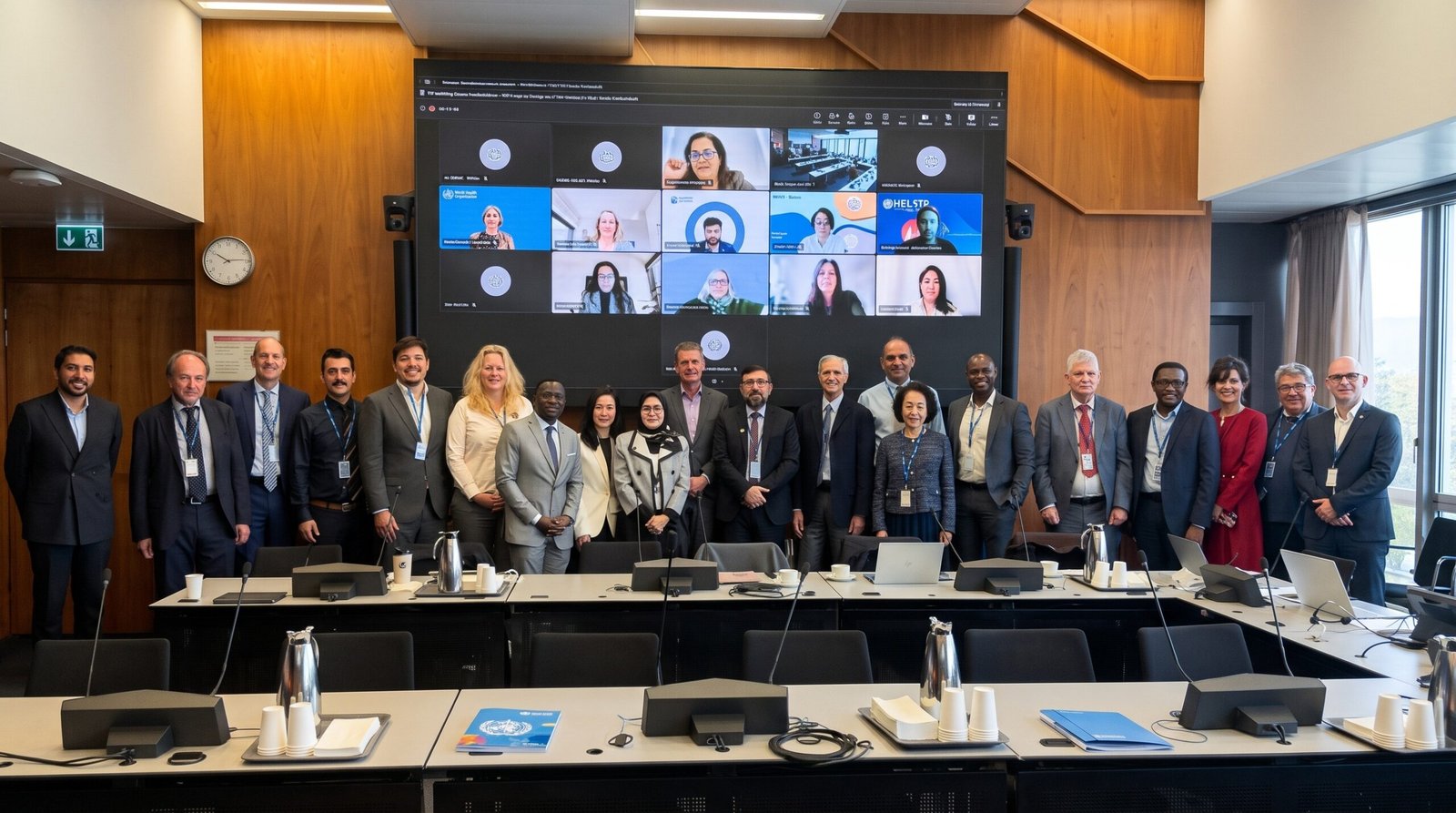
Khyber Medical University (KMU) Vice-Chancellor Professor Dr Abdul Jalil Khan has
participated in an important World Health Organization (WHO) meeting in Geneva, Switzerland.
The five-day meeting focused on developing international guidelines to prevent and manage
cardiovascular diseases, including heart attacks and strokes.
Professor Dr Abdul Jalil Khan attended the in-person meeting of the WHO Guideline
Development Group (GDG). He was invited to join the group after being selected through an
international selection process. He is the only expert from Pakistan appointed to this important
committee.
His selection reflects international recognition of his experience in family medicine, primary
healthcare prevention, public health, and improving healthcare systems.
The WHO Guideline Development Group includes experts from leading medical, academic, and
research institutions around the world. These experts belong to different medical fields,
including cardiology, internal medicine, endocrinology, public health, and medical research.
During the Geneva meeting, international experts reviewed scientific research and discussed
ways to improve the prevention and treatment of cardiovascular diseases. Special attention was
given to dyslipidaemia, a condition involving unhealthy levels of fats in the blood. It is a major
risk factor for serious health problems such as heart attacks and strokes.
Professor Dr Abdul Jalil Khan shared his knowledge of primary healthcare systems, particularly
in developing countries. He highlighted the need for practical and affordable medical guidelines
that can be followed in different healthcare systems.
He also brought valuable experience from his work with the United Kingdom’s National Health
Service (NHS). His background in clinical practice, medical education, family medicine, and
healthcare development in Pakistan gives him an important role in this international initiative.
The new WHO guidelines are expected to help countries improve heart disease prevention and
treatment. They may also support doctors in making better medical decisions and encourage
healthcare services to identify heart disease risks at an early stage.
The guidelines will also help countries include effective treatment and prevention services in
their primary healthcare systems. This could improve access to better medical care for people in
different communities.
Professor Dr Abdul Jalil Khan’s participation highlights the growing contribution of Pakistani
medical experts to international healthcare research and policy development. It also strengthens
Khyber Medical University’s international reputation and its involvement in global health
initiatives.
Source: Khyber Medical University (KMU)